
Breast augmentation – silicone implants
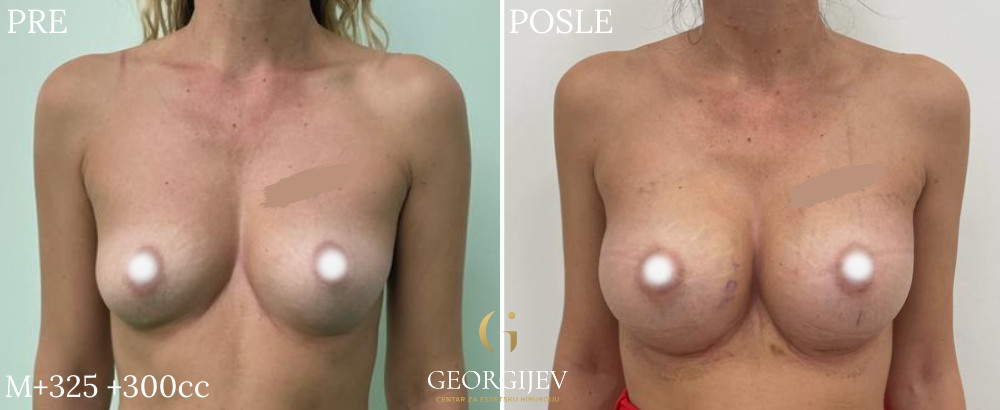
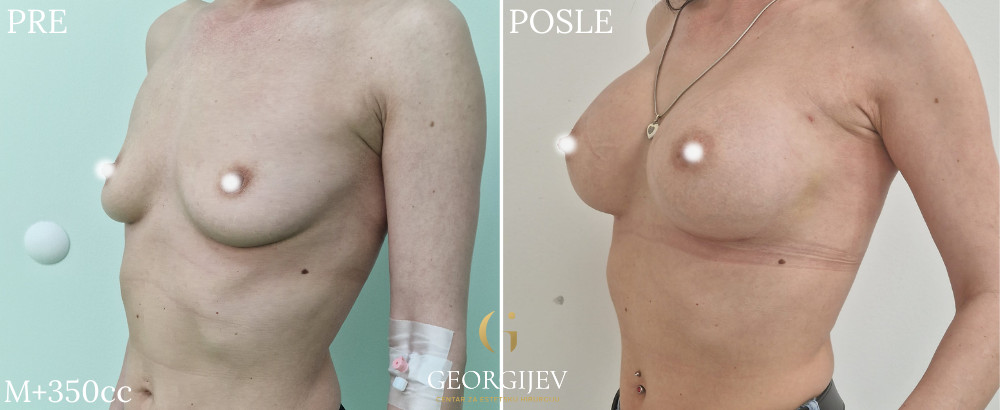
Having a harmonious figure is important to many women. When breasts are naturally underdeveloped, noticeably uneven in size, or asymmetrical, the only solution is surgical intervention. Many women wish to restore the appearance of their breasts after childbirth and breastfeeding. Most women who consult a plastic surgeon lack confidence because they are unhappy with the proportions of their figure—specifically, their breasts may appear too small relative to their shoulders, chest, or hips. The most common request is breast augmentation using silicone implants. The size and shape of the implant are determined collaboratively by the patient and the cosmetic surgeon.
Breast augmentation with silicone implants is a popular choice for women seeking to improve their figure’s proportions, restore breast volume after pregnancy or breastfeeding, or simply boost their confidence.
What you should know before opting for silicone breast implants
- Silicone implants do not prevent sagging. If sagging is a concern, your surgeon may recommend a breast lift alongside implant placement.
- The silicone implants we use have no expiration date. However, due to the effects of gravity, it is recommended to replace the implants 10–15 years after surgery to maintain the original results.
- The appearance of augmented breasts may change. Significant weight gain or loss, pregnancy, or breastfeeding can alter the look of your breasts. In such cases, additional surgery may be necessary.
- Regular monitoring is essential to ensure the integrity of the implants. Annual ultrasound check-ups are necessary, and an MRI is recommended every five years to detect any potential ruptures.
How to choose the right implants
Our team of experts will guide you through the entire process—from selecting the size and shape of the implants to recovering after the surgery. Together, we aim to achieve a harmonious look that complements your figure. The choice of breast reconstruction and the size of the silicone implants are decided in consultation with our doctor. At Georgijev Clinic, we exclusively use MENTOR implants, renowned as the best in the global market.
Dr. Igor Georgijev, with over 22 years of experience, is a distinguished specialist in breast augmentation in Serbia. His extensive career in plastic and reconstructive surgery is marked by exceptional achievements, consistently delivering outstanding results. Dr. Georgijev’s deep expertise allows him to tailor each procedure to the individual needs and goals of his patients, ensuring optimal outcomes and complete satisfaction.
His reputation as a leader in this field attests to his skill, dedication, and commitment to enhancing patients’ lives through aesthetic surgery.
How to prepare for breast augmentation surgery
All preoperative preparations are conducted at our clinic and are included in the price. This preparation includes
- Laboratory tests: Complete blood count, basic biochemistry, coagulation factors, blood group, and Rh factor.
- Additional examinations
- Internal medicine and cardiology evaluation with ECG.
- Clinical evaluation by an anesthesiologist.
- Breast ultrasound or mammography.
- Consultation with an oncological surgeon, if necessary.
Preoperative guidelines
- Smoking: If you are a smoker, it is essential to stop smoking several weeks before the procedure, as smoking negatively affects circulation and wound healing, prolonging recovery time.
- Medications and supplements: Discontinue aspirin, vitamin C, and other supplements seven days before surgery.
- Fasting: Do not eat or drink anything for at least 12 hours before the scheduled surgery.
- Cosmetics and accessories: Remove nail polish or gel polish, all makeup, piercings, and jewelry. Avoid applying body lotion 4–6 hours before the operation.
What to bring
- Personal hygiene items
- A photo ID (ID card or passport).
- Complete medical documentation.
- Medications that are part of your chronic therapy.
How is breast augmentation surgery performed?
The surgery begins with the patient being placed under general anesthesia. The surgical technique used, whether the implant is placed under the gland or the muscle, and the location of the incision depend on the agreement made between the surgeon and the patient during the preoperative consultation. During this consultation, the surgeon will also mark the incision lines to guide the procedure. Our goal is to meet the patient’s expectations and achieve the desired outcome as much as possible from a medical perspective.
Postoperative care
- After surgery and during recovery, the patient must wear a special elastic support bra.
- The first dressing and check-up are performed on the third day after surgery. Additional dressing appointments are scheduled in consultation with the surgeon.
- Stitches are removed 14 days after the surgery.
- For several months post-surgery, wearing bras with underwire (wire support) is not recommended. Instead, specialized bras designed for breasts with implants are advised.
How long does breast augmentation surgery take?
Breast augmentation surgery typically lasts between 60 and 90 minutes.
How long is the recovery after breast augmentation surgery?
Until the stitches are removed on the 14th day after surgery, patients are advised to avoid any physical exertion, exercise, running, or similar activities. However, they can usually return to work and normal daily activities just a few days after the procedure. During this time, wearing a supportive bra is highly recommended.
Important Notes
- Scars should not be exposed to sunlight or tanning beds. If you are in the sun, cover the scars with adhesive tape or apply a high-SPF sunscreen to protect them.
What can you feel after breast augmentation surgery?
In the first few days after surgery, you may notice mild swelling and tightness in your breasts. Some patients may temporarily lose nipple sensitivity. These symptoms typically subside within 7–14 days.
Scars will gradually fade over time and become barely noticeable.
Risks after breast augmentation surgery
As with any surgery, breast augmentation carries a risk of complications. Fortunately, complications are extremely rare when the procedure is performed by an experienced aesthetic surgery specialist.
The risks of bleeding, infection, or delayed wound healing are virtually eliminated when the surgery is conducted in a fully sterile environment and in strict adherence to established protocols, as is the standard at our clinic.






Frequently asked questions
How long does recovery take?
Most patients can return to their normal activities a few days after surgery, while full recovery is expected after 14 days.
Are the results permanent?
While the results are long-lasting, it’s important to note that factors such as weight changes, pregnancy, and the aging process can impact the appearance of the breasts over time.
How can I find the right surgeon?
Look for a surgeon who specializes in aesthetic surgery and holds certifications from recognized medical associations. For example, in Serbia, surgeons specializing in aesthetic procedures are often members of the Association of Aesthetic Surgeons of Serbia.
Ensure the surgeon has experience in breast augmentation and that this is a key area of their specialization. Ask how often they perform this type of surgery and how many years of experience they have in aesthetic surgery.
What size implants are suitable for augmentation?
Implant sizes typically range from 200 to 850 cubic centimeters. Implants between 320 and 380 cubic centimeters are a popular choice for achieving harmonious proportions. Silicone breast size 3, which corresponds to medium-sized breasts by European standards, is often selected depending on the patient’s body structure.
Do i need an ultrasound or mammogram before surgery?
Yes, a breast ultrasound is recommended, and in some cases, a mammogram is advised, especially for patients over 40 years old. These tests help rule out any potential contraindications for the surgery.
What if i plan to breastfeed after getting implants?
Breast implants do not interfere with breastfeeding. The implants are placed beneath the muscle or gland, which does not disrupt the functionality of the milk ducts.
Can i breastfeed if i have silicone implants?
Yes, most women can breastfeed after having silicone implants. It’s important to inform your surgeon about your plans to breastfeed before the surgery so they can choose the optimal technique.
Do silicone implants affect nipple sensitivity?
Temporary loss or changes in nipple sensitivity may occur after surgery, but most patients fully recover within a few months.
How much does breast augmentation cost?
The cost of breast augmentation depends on the type of implants and the chosen surgical technique. The exact price will be provided during the consultation.
Can breast augmentation be performed on only one breast?
Yes, augmentation can be performed on just one breast to correct asymmetry.
What are the three regions for implant placement in breast augmentation?
Implants can be placed using three types of incisions:
- Inframammary (beneath the breast).
- Transaxillary (through the armpit).
- Periareolar (around the nipple).
What are the advantages of placing implants under the muscle?
Implants placed under the muscle provide a more natural appearance, reduce the risk of visible edges, and lower the likelihood of capsular contracture. If there is sufficient tissue coverage, implants can be placed under the fascia of the pectoral muscle without lifting the muscle, which is ideal for women who are actively involved in sports.
How long is the recovery after silicone implant placement?
Recovery typically takes 2–4 weeks, but patients can resume daily activities within a few days, provided they wear a special support bra.
Are breast augmentation results permanent?
The results are long-lasting; however, it is recommended to replace the implants after 10 years due to natural changes in the body.
Do larger implants carry greater risks?
Larger implants, especially those over 400cc, may increase the risk of complications such as implant shifting or capsular contracture.
Can silicone implants rupture?
Modern implants are highly durable, but there is a small risk of rupture. Regular check-ups with ultrasound or MRI can help detect any issues early.
How to choose the best implant shape?
The choice between round or anatomical (teardrop) implants depends on the patient’s preferences and the surgeon’s recommendations, taking into account the body’s proportions.
Is breast augmentation painful?
The procedure is performed under anesthesia, so there is no pain during surgery. Postoperative pain is effectively managed with pain relievers.
Are scars after surgery noticeable?
Scars are minimal and placed in discreet locations, such as under the breast or around the nipple, and they become nearly invisible over time.